Material Characterization
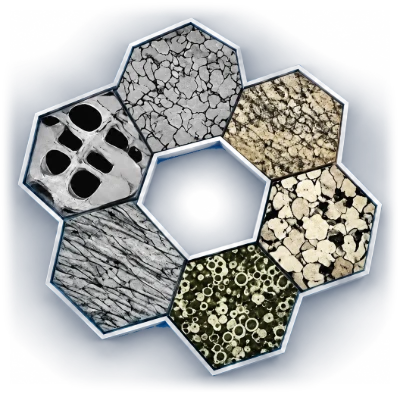
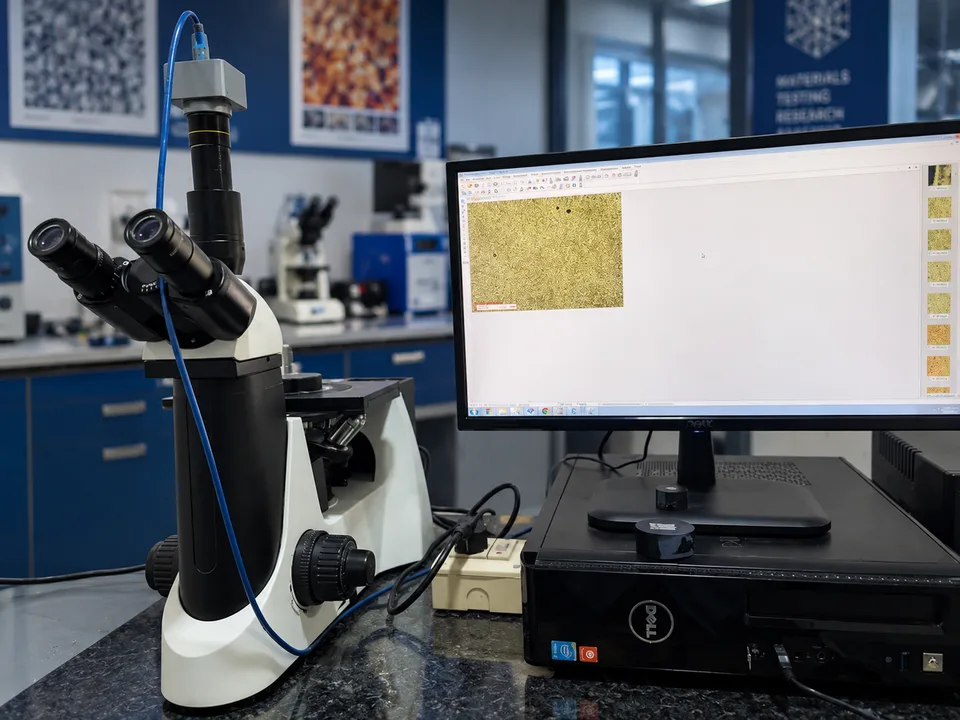
Microscopy, SEM with EDS, XRD and related techniques that reveal a material’s structure and composition.
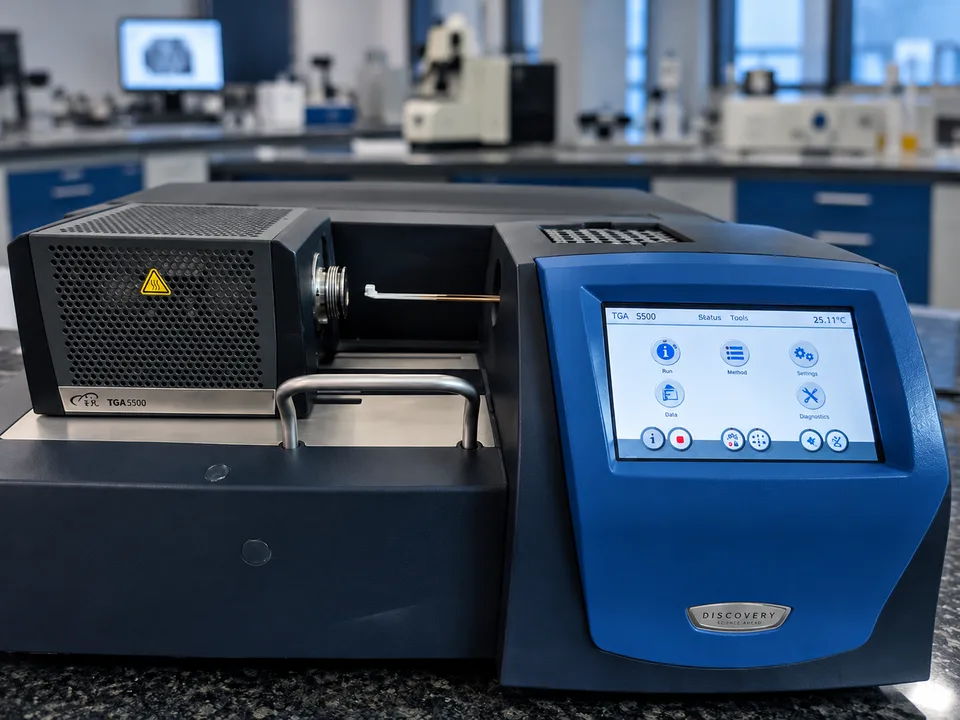
Simultaneous TGA and DSC measurements that show how a material changes as it is heated.
Thermal analysis heats a small sample under controlled conditions and records what happens. Thermogravimetric analysis (TGA) tracks weight change; differential scanning calorimetry (DSC) tracks heat flow.
Many materials are processed or used at elevated temperature. Knowing when a material loses weight, melts or reacts helps set processing limits and compare formulations.
Only a small quantity is needed; the instrument accepts samples up to 200 mg. We will confirm the amount and form for your material.
You receive the weight-change and heat-flow curves recorded against temperature, with the test conditions used.
Microscopy, SEM with EDS, XRD and related techniques that reveal a material’s structure and composition.
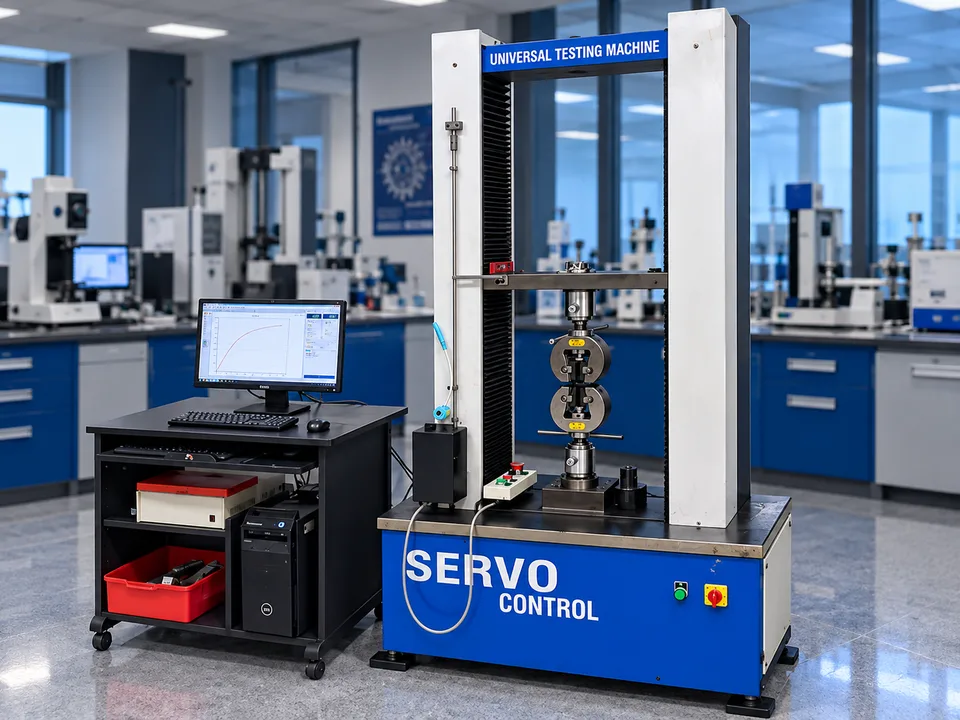
Tensile, compression, flexural, shear and impact tests that show how a material behaves under load.
Tell us about your sample and testing objective, and our team will help you decide the appropriate next step.